The Heritage School · Kolkata · 13th Edition
Restore · Revive · Reform
June 17 · 18 · 19, 2026 — The Heritage School, Kolkata
Addresses from the Secretary-Generals
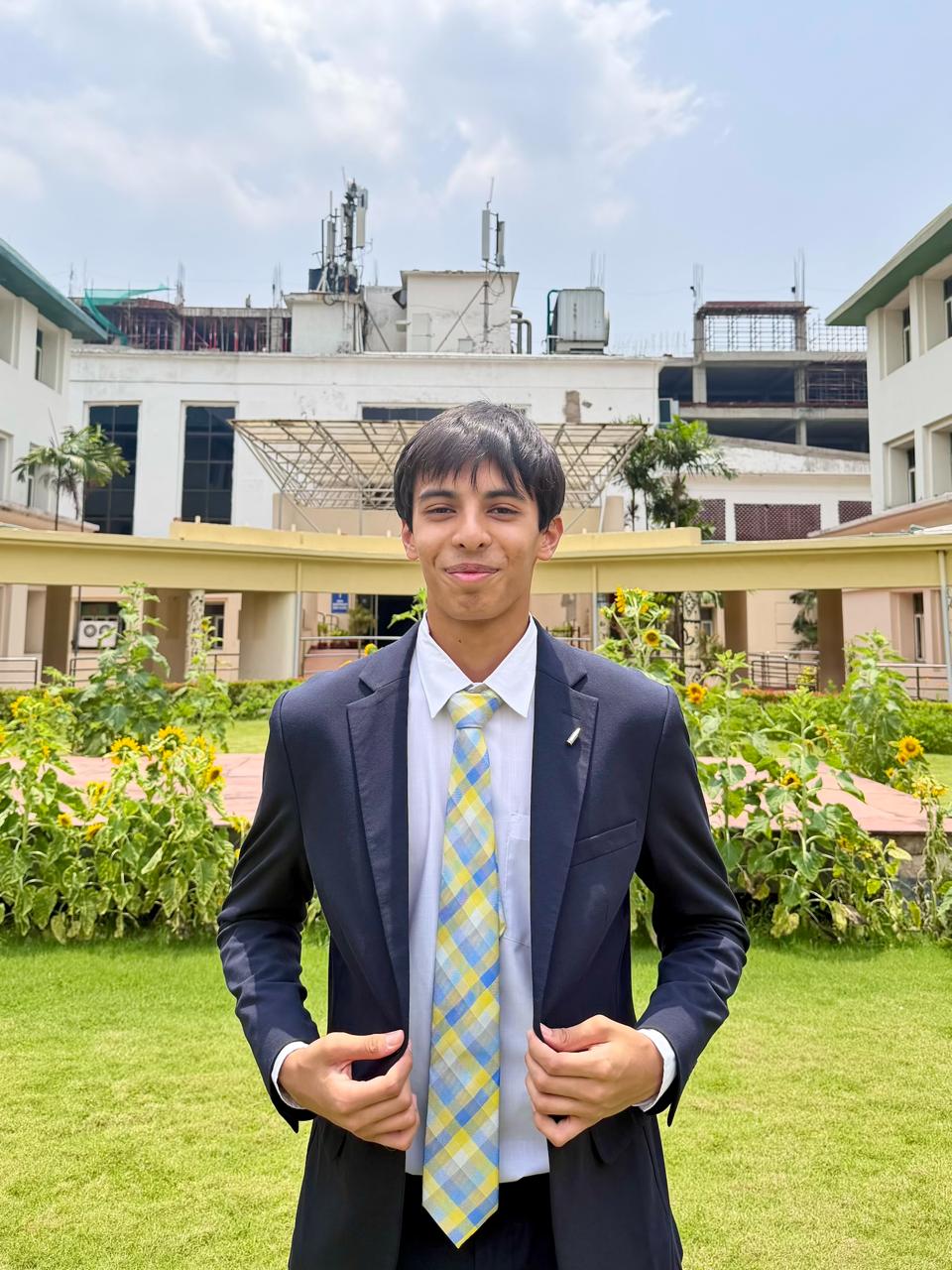
Ayaan Kaushal
Secretary-General
On rationality, empathy, and the longing for violence
Greetings Delegates,
It is with the utmost honour that I welcome you to the 13th edition of THSMUN – Restore, Revive, Reform. There is no doubt that during such times of uncertainty, the common man turns to the pillars of society — institutions built with the grand founding principles of international peace no matter the cost, but it is also where the common man realises its ineffectiveness.
Such realisations are unfortunately quite common as we go back through history noticing alliances such as the League of Nations, the Concert of Europe and even millennia old alliances such as the Delian League. In light of this, the question regarding the purpose of the United Nations — and hence even a simulation of the United Nations — comes into the minds of many. To that there lies a simple answer: organisations like the above were made by the people and for the people; when they prove ineffective, it is the people themselves who are forced to retake control of the responsibility for rationality and peace.
For this purpose, it is important to form an opinion not on emotion but on fact, to understand and appreciate the various viewpoints expressed by each country, and most importantly to celebrate our differences whilst being grounded in our common status as human.
Considering the same, I would like to lay forth an important request — to understand the responsibility on your shoulders and to act with a sense of diplomacy and rationality. Most importantly, to know that war confides when diplomacy fails; violence is the easiest way out, it is ingrained into every animal, yet it is exactly our ability to display logic and empathy that makes us human.
It highlights the spirit at which the United Nations should strive toward — and one which everyone should pay homage to in their daily life. With that, I look forward to seeing each and every one of you rise to the occasion.
Godspeed.
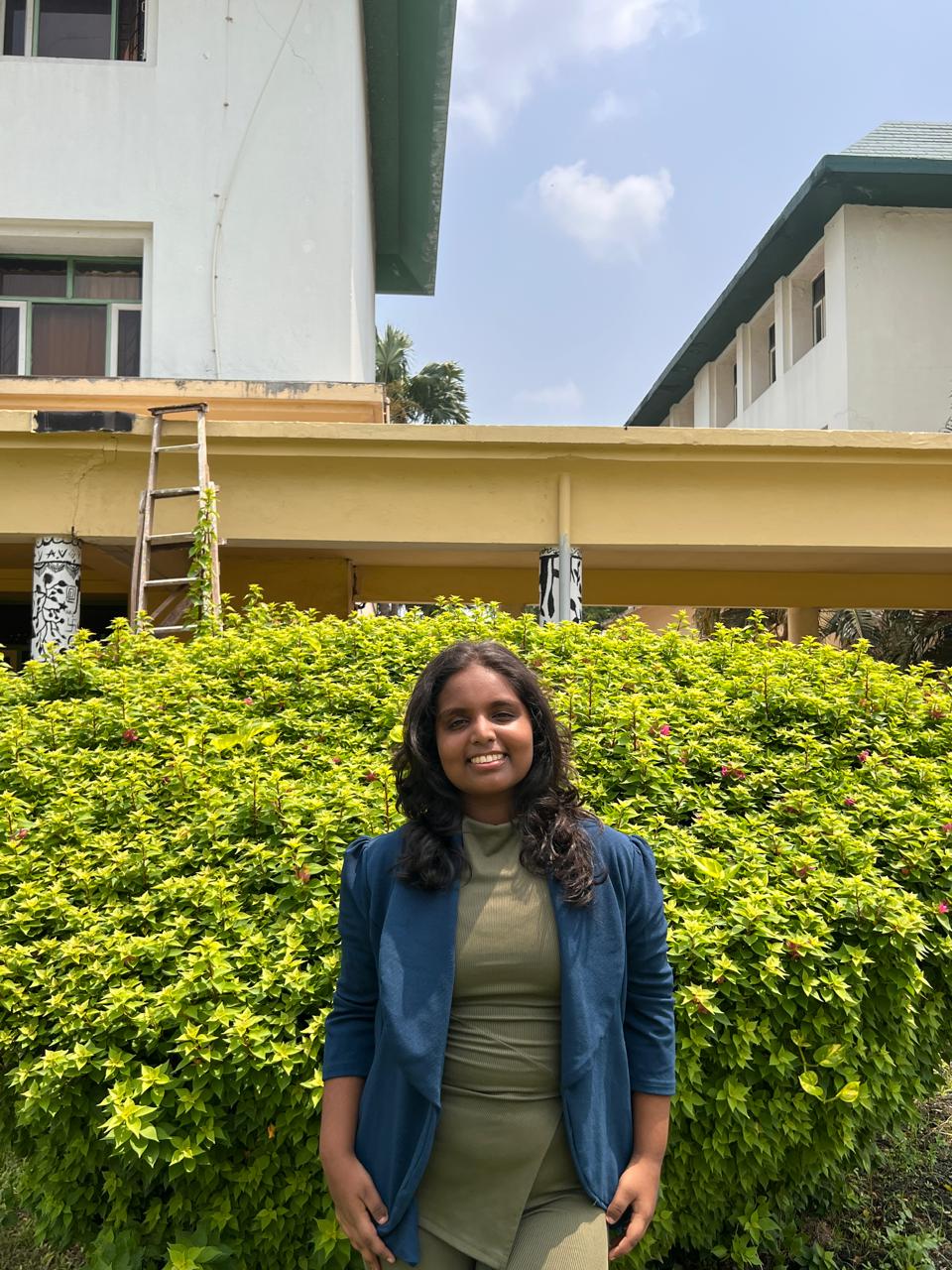
Biyas Dutta
Secretary-General
On consensus, competition, and why we bother
Dear Delegates,
— Winston Churchill
Churchill has some of the most banger quotes in history, but I would not consider this one of them. Not because it is untrue, but because of what it suggests: that diplomacy is fundamentally about outmaneuvering people, about winning arguments disguised as politeness.
That is also how many people view Model United Nations — secret backchannel communications and dramatic betrayals. And admittedly, there is something entertaining about discussing assassination plots in Nefertiti's chambers at 11 PM in a crisis committee. But the longer I have done MUNs, the more I have realized that the real substance of diplomacy lies elsewhere.
Track I diplomacy, the slow and conventional kind, has always been more fruitful than theatrical confrontation. People may call conventional committees boring, but they are where consensus building actually happens.
My friend and I play something called "verb charades," where one person acts out a verb and the other has to guess it. One day, I couldn't figure out what she was miming, so she gave me a hint: "It's something you love doing." The answer was competing.
A lot of people say they do MUN because it is "a learning experience." I will not pretend that was my original motivation. I started because I loved winning. I began with press committees, and while I still admire the press corps for their persistence and their ability to pester people until they get answers, it eventually felt too easy for me. So one random day, I tried a conventional committee instead. At first, I hated it. But over time, I grew to love the familiarity of it. And somewhere in that process, competition itself changed meaning for me.
The point was never defeating another delegate. The best committees are not remembered because someone crushed the opposition. They are remembered because they got a room full of stubborn angry people to agree with each other (that being said, I admire the hustle for aiming for awards, nothing to be ashamed of).
Three months ago, my Political Science teacher told me there was no point in hosting an MUN conference, considering the state of the world right now. And honestly, I understand the sentiment. But if I were asked now, this would be my reply:
— Neutral Milk Hotel, In the Aeroplane Over the Sea (best band ever?)
Because maybe that is the point of MUN, and diplomacy itself. Not the illusion that we can permanently fix the world, but the belief that while we are here, it is still worth trying to understand one another before everything disappears into history.